


🌿 Rural Bereavement · Part of Workplace Bereavement Advocacy
Roots to Reckoning
Grief, loss & bereavement support for rural life.

The Losses We Name
Rural Grief Is Real Grief.
It Just Has No Name.
In the countryside, loss rarely looks the way the textbooks describe it. It is a herd built over three generations, gone in a single morning. It is a working dog that was never “just a dog.” It is a farm sold, a tenancy ended, a way of life quietly closing behind you.
These are real bereavements. But because they don't fit the shape of grief that town-based services expect, they go unnamed, unsupported, and far too often unspoken. Roots to Reckoning exists to name them — and to build the support that rural life has always deserved.
Live Data
The Scale of Rural Loss — Right Now, Today
These figures are modelled from published annual and seasonal rates and update live through the year. They are estimates, not records of individual events. Full methodology and sources are below.
Our Data Sources & Methodology
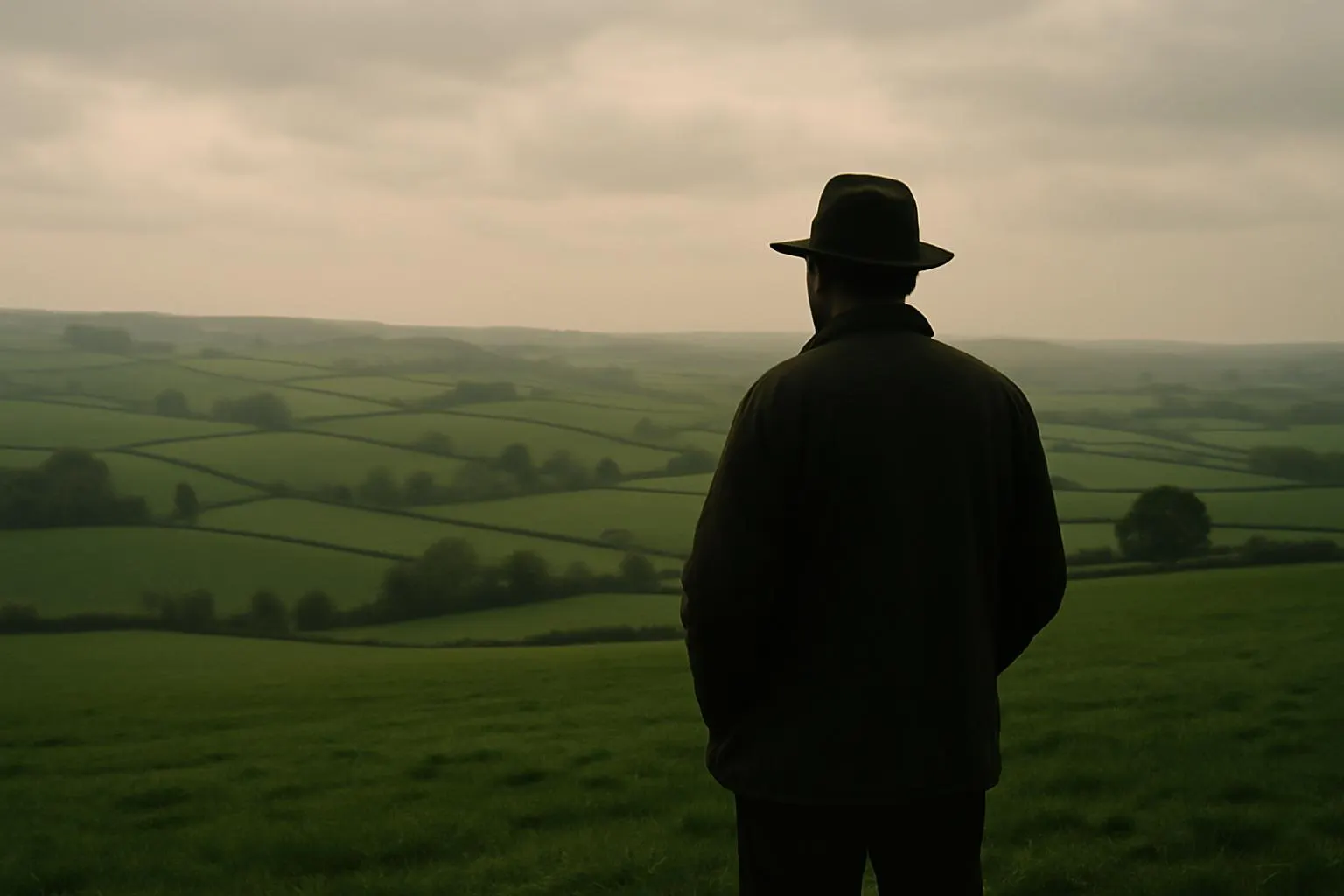
“Farming and agricultural workers are among the highest-risk occupational groups for suicide in the UK.”
BACP · Zero Suicide Alliance
Our Framework
Five Pillars of Rural Bereavement
Five distinct kinds of loss that rural life carries — and the support each one needs.
Human Loss in Rural Life
The grief that rural life carries quietly — and the deaths it too rarely names.
- ✓Suicide bereavement in farming families
- ✓Farm and machinery accidents
- ✓Grief tangled up with succession
- ✓Children growing up in farming families
Animal Loss & Livestock Catastrophe
Loss that town-based grief models simply have no language for.
- ✓Disease culls and forced slaughter
- ✓Generations of breeding bloodlines lost
- ✓Death of a working dog or horse
- ✓The moral weight of euthanasia
Loss of Livelihood, Land & Identity
When the farm goes, so often does a sense of who you are.
- ✓Farm sale, tenancy loss, or repossession
- ✓Financial grief and mounting debt
- ✓Losing a centuries-old way of life
- ✓Forced career change off the land
Supporting Others — The Helpers
The accidental first responders of rural life, and the toll it takes on them.
- ✓Vets, advisers and auctioneers on the front line
- ✓Secondary and vicarious trauma
- ✓Holding difficult conversations safely
- ✓Looking after your own wellbeing
Organisational Readiness
Building rural workplaces and estates that are ready before crisis hits.
- ✓Bereavement and policy templates
- ✓Manager and supervisor toolkits
- ✓Critical incident response planning
- ✓The Rural Wellbeing Standard
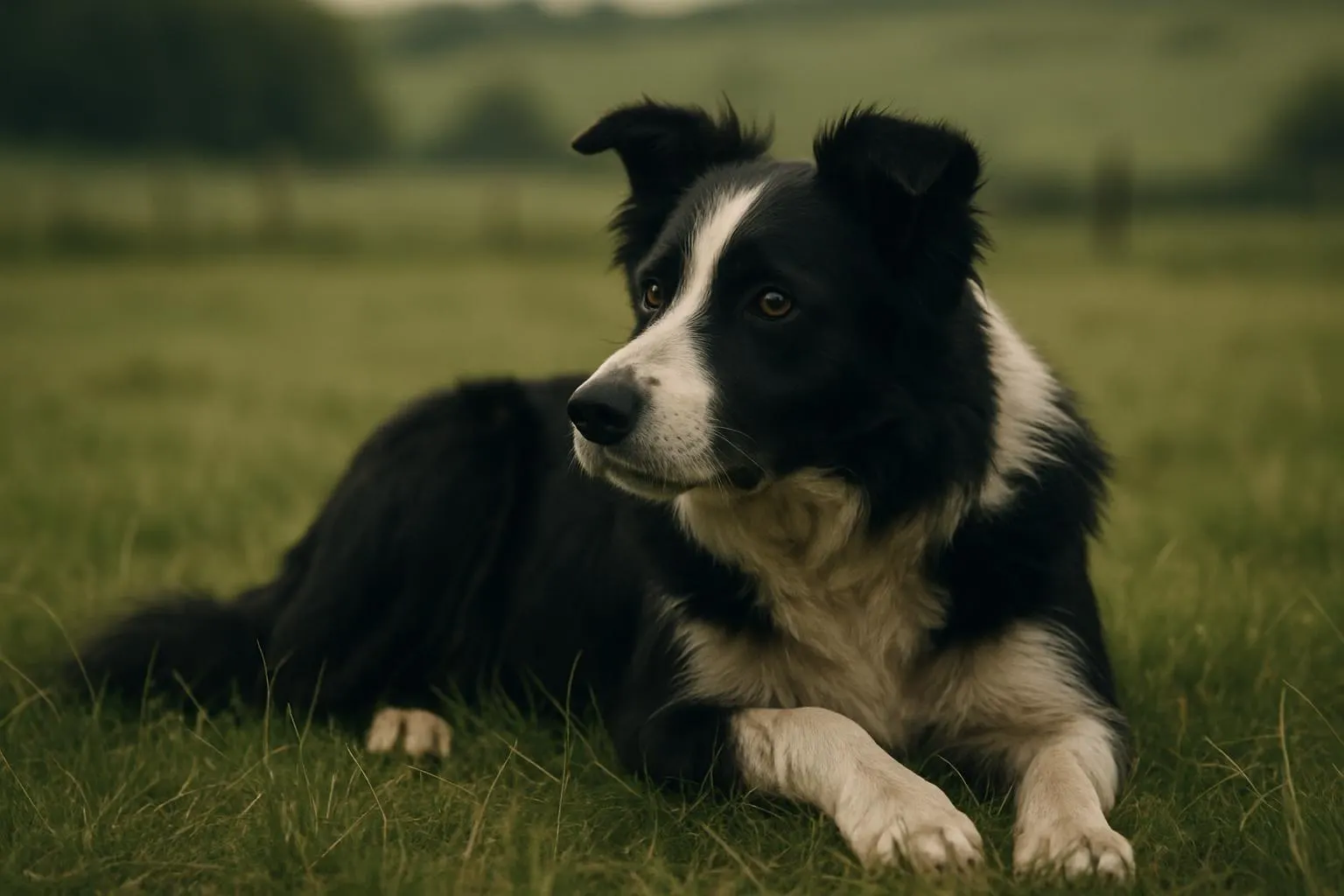
“In farming, the death of a working dog can be a bereavement — a colleague, a companion, and years of shared work, lost in a day.”
Roots to Reckoning
Who We Serve
Four Audiences. One Content Engine.
Farmers & Families
Practical, plain-spoken support for the losses farming carries — without the jargon of town-based services.
Vets & Agricultural Professionals
Skills for the helpers who carry other people's losses — and a place to put down their own.
Rural Employers & Estates
Policy, training, and accreditation to make your organisation genuinely ready for bereavement and crisis.
Rural Charities & Support Orgs
Partner with us to extend grief-literate support across the rural communities you already serve.

“85% of farmers say bovine TB and its toll on their herds is one of the biggest threats to their mental wellbeing.”
NFU Cymru
Why It Stays Hidden
The Barriers Are Real. We Build Around Them.
Rural people don't ask for help less because they need it less. They ask because of five very specific barriers.
Geography
Support is often an hour's drive away — if it exists at all. Distance turns a hard day into an impossible one.
No Anonymity
In a close rural community, everyone knows your business. Asking for help can feel like admitting it to the whole village.
Stoicism
A culture of getting on with it. 'You just cope' is handed down like a family heirloom — and it costs lives.
Time & Isolation
Livestock don't wait. Long, lone hours and no cover make it nearly impossible to step away for support.
Distrust of Town Services
Generic helplines that have never set foot on a farm. Rural people need support that understands rural life.

“The quiet ones are often the ones carrying the most. Rural grief asks us to look harder, and listen longer.”
Roots to Reckoning
Training
Three Courses. Four Audiences. One Rural Voice.
Short, mobile-first modules of 10–20 minutes — designed to be done in the cab, the kitchen, or the few quiet minutes between jobs.
Understanding Rural Grief
For farmers, families & rural communities
Recognise the many forms of loss in rural life, understand why grief goes unnamed, and learn where to turn. Mobile-first modules built for a few minutes between jobs.
- ✓10–20 minute modules
- ✓Mobile-first, low signal friendly
- ✓Plain language, no jargon
Supporting Others Through Loss
For vets, advisers & rural professionals
Build the confidence to hold a difficult conversation, spot the warning signs, and signpost safely — while protecting your own wellbeing in the process.
- ✓Practical conversation skills
- ✓Spotting risk and signposting
- ✓Looking after the helpers
Building a Grief-Ready Rural Workplace
For employers, estates & agri-businesses
Put policy, training, and crisis response in place before they're needed — and work towards the Rural Wellbeing Standard for your organisation.
- ✓Policy and toolkit templates
- ✓Critical incident planning
- ✓Pathway to accreditation
Resources
Resource Packs for Every Reader
From a free starter pack to the complete rural programme — choose the depth of support that fits where you are.
Rural Grief Starter
An introductory pack of guidance and signposting for anyone touched by rural loss.
- ✓Rural grief explainer
- ✓Crisis signposting card
- ✓Conversation starters
Farm & Family Toolkit
Practical resources for farming families navigating bereavement, succession, and change.
- ✓Family guidance pack
- ✓Succession & grief notes
- ✓Children's support guide
Vet & Professional Pack
Skills resources for the helpers — safe conversations, signposting, and self-care.
- ✓Conversation frameworks
- ✓Risk & referral guide
- ✓Wellbeing toolkit
Rural Employer Bundle
Everything an employer or estate needs to put grief-ready foundations in place.
- ✓Bereavement policy templates
- ✓Manager toolkit
- ✓Critical incident plan
Complete Rural Programme
The full library — every pack above, plus accreditation preparation materials.
- ✓All resource packs
- ✓Rural Wellbeing Standard prep
- ✓Priority updates
Crisis Support
If You Are in Crisis Right Now
If you or someone you know is struggling, please reach out. These services are free, confidential, and there for rural communities.
Farming Community Network (FCN)
0800 587 4935Practical and pastoral support for farmers and farming families — open 7am to 11pm, every day of the year.
RABI
0808 281 9490The Royal Agricultural Benevolent Institution — free, confidential support, counselling, and financial grants for the farming community.
Samaritans
116 123Free, confidential support for anyone in distress, 24 hours a day, 365 days a year. You don't have to be suicidal to call.
Vetlife Helpline
0303 040 2551Independent, confidential support for everyone in the veterinary community, available 24 hours a day, every day.
If life is in immediate danger, call 999. Roots to Reckoning provides education, advocacy, and signposting; it is not a crisis or clinical service. Content on this page discusses suicide and bereavement in line with Samaritans' media guidelines on safe messaging.
Accreditation
Proof, Not a Pledge.
The Rural Wellbeing Standard is a tiered accreditation for rural employers, estates, and agri-businesses — a 120-point assessment built on rural-specific criteria. The rural counterpart to our Bereavement Culture Mark.
Ask a Question
Talk to Us About Rural Grief
Farmers, vets, agricultural workers, rural employers and the people who support them — if you have a question about our courses, the Rural Wellbeing Standard, or bringing this work to your community, send us a note and we'll reply personally.
Where Are You on Your Rural Bereavement Journey?
Whether you farm, support those who do, or run a rural organisation — there is a place to start here. Reach out and we'll help you find it.